
Genisom AI
Power Inspection
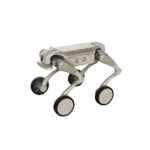
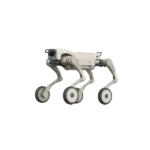
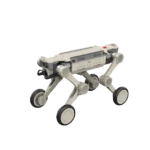
Quadruped Robot

Leading Embodied Intelligence, Empowering Partners

Application Scenarios

Substation Inspection

24-hour autonomous inspection, early detection of equipment hidden dangers, keeping inspection workers away from high-voltage risks.

Power Plant

24-hour coverage of large-scale plant areas, safeguarding the safe operation of the power plant.

Energy Storage Station

Replacing manual entry into high-risk areas, guarding the safety red line of energy storage.

Underground Pipeline Inspection

Quantified robotic traversal of narrow pipelines, leaving no hidden underground dangers undetected.

Business Pain Points

Scene “Multiple”

Involving all aspects of production, with complex environment / terrain, requiring high adaptability of inspection equipment

Heavy workload

The contradiction between the need for high-frequency, multi-point inspections and limited manpower; manual inspection efficiency is constrained

Result Requirements: “Accurate”

Requires precise problem localization, with strict demands on the accuracy and timeliness of inspections

Safety Requirements are “Strict”

Safety production must ensure uninterrupted power supply, and requires round-the-clock high-standard inspections

Our Advantages

Relying on full-stack independent R&D capabilities, our products excel in environmental adaptability, task execution efficiency, and system stability, leveraging a full-process closed-loop management to create industry-leading advantages.

Full Terrain Coverage

Easily pass through stairs, slopes, mouse traps, and narrow doors

Full Task Support

Meter reading, infrared temperature measurement, partial discharge detection, gas monitoring, etc.

24/7 Operation
Uninterrupted patrol 365 days a year, 24 hours a day
Full-Process Closed Loop

Perception → Detection → Warning → Disposal Fully Automated

High Scalability

Modular loading, supports secondary development
Application Case

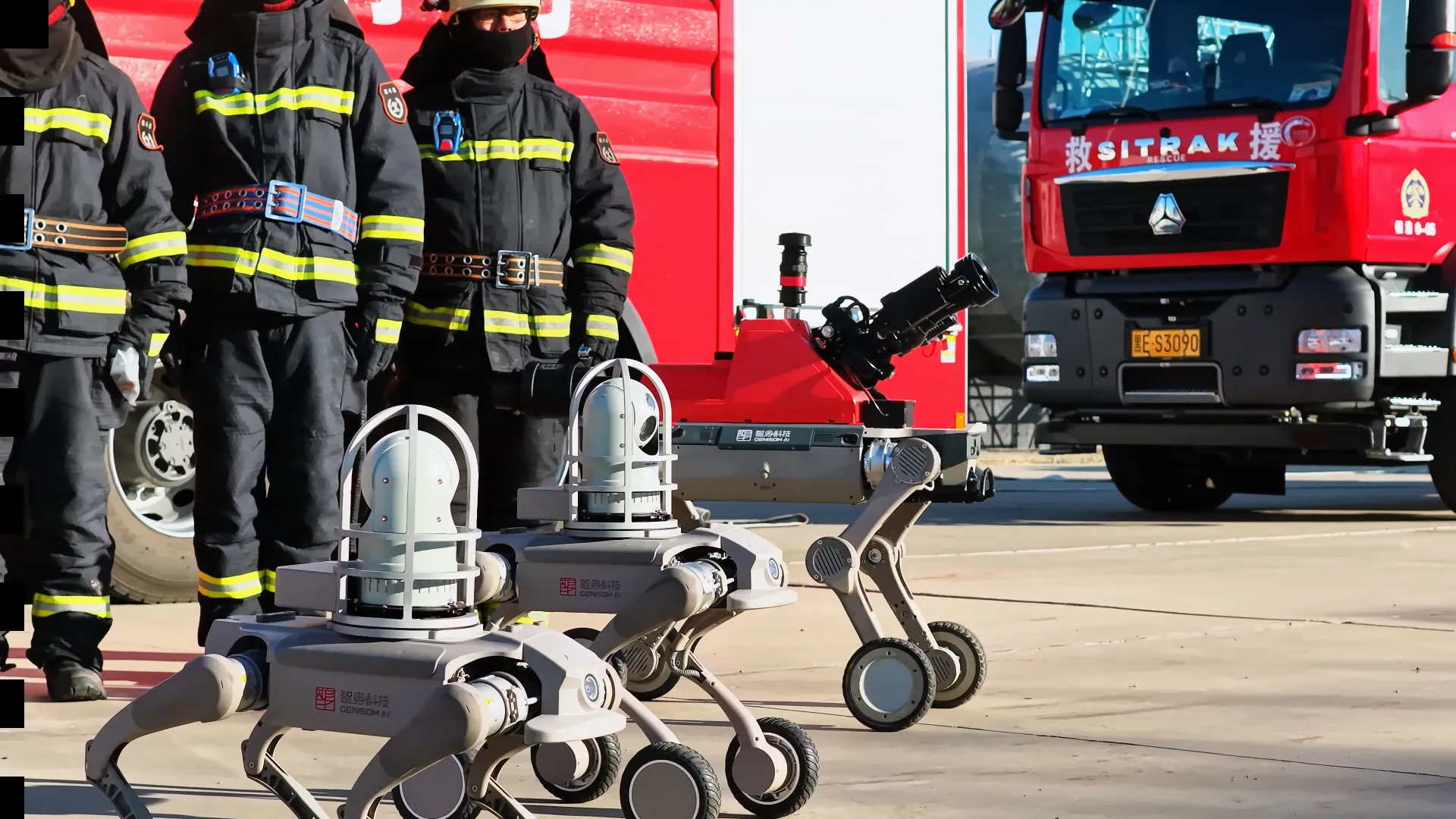
Designed for rescue scenarios such as building fires, forest fires, industrial accidents, and geological disasters, quadruped robots can quickly enter complex environments inaccessible to personnel to perform tasks such as on-site reconnaissance, life detection, and material transportation. They transmit real-time information on temperature, fire intensity, and the location of trapped personnel, providing decision-making support for rescue command, effectively shortening the critical rescue time, and reducing the risk of injury or death to firefighters.

Designed for rescue scenarios such as building fires, forest fires, industrial accidents, and geological disasters, quadruped robots can quickly enter complex environments inaccessible to personnel to perform tasks such as on-site reconnaissance, life detection, and material transportation. They transmit real-time information on temperature, fire intensity, and the location of trapped personnel, providing decision-making support for rescue command, effectively shortening the critical rescue time, and reducing the risk of injury or death to firefighters.

Designed for rescue scenarios such as building fires, forest fires, industrial accidents, and geological disasters, quadruped robots can quickly enter complex environments inaccessible to personnel to perform tasks such as on-site reconnaissance, life detection, and material transportation. They transmit real-time information on temperature, fire intensity, and the location of trapped personnel, providing decision-making support for rescue command, effectively shortening the critical rescue time, and reducing the risk of injury or death to firefighters.